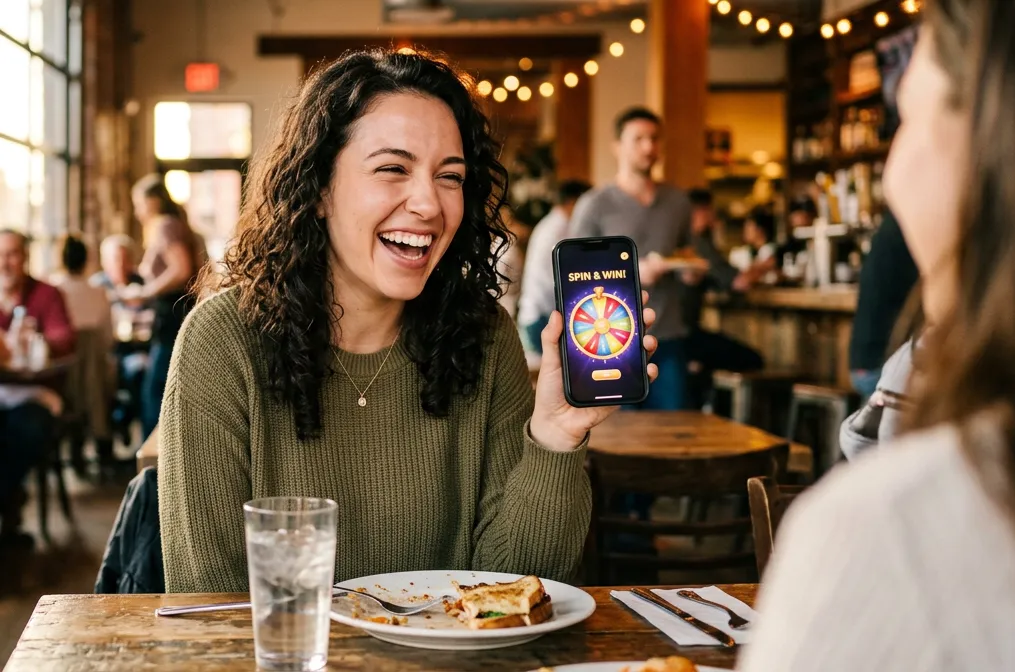
Understanding the Shift: From Paid Attention to Owned Engagement
The restaurant industry is moving from paid acquisition models to owned engagement systems. Earlier, restaurants depended heavily on Meta ads, Google ads, and delivery platforms to bring customers in.
Now, the focus is shifting toward systems that allow restaurants to capture and retain customer attention directly. Gamification sits at the center of this shift because it converts passive visitors into active participants.
This means instead of paying for every customer visit repeatedly, restaurants build a self-sustaining loop where engagement drives acquisition automatically.
Why Gamification Gets Cheaper Over Time - The Compounding Effect
Unlike ads that reset every month, gamification compounds. Every customer interaction improves your database, increases personalization accuracy, and reduces future acquisition cost.
This compounding effect is what makes gamification fundamentally different from traditional marketing channels. Each new interaction strengthens the system instead of resetting it.
Setup + initial engagement
Growing repeat visitors
Reduced ad dependency
Over time, this leads to a situation where most customer interactions no longer require paid acquisition because returning customers become the primary source of revenue.
Why Traditional Customer Acquisition Is Expensive
Paid ads, delivery apps, and third-party platforms dominate restaurant discovery today—but they come at a high and increasing cost.
These channels are effective in the short term, but they do not create long-term ownership of customer data.
Meta CPC
Google Ads CPC (Food Category)
Delivery commission
As per the reports from Meta Ads Insights 2025, Google Ads Benchmarks 2025 and Deloitte Food Delivery Report 2025 respectively
The challenge is not just cost; it is that every transaction resets the acquisition process, making scaling increasingly expensive.
What Gamification Actually Means
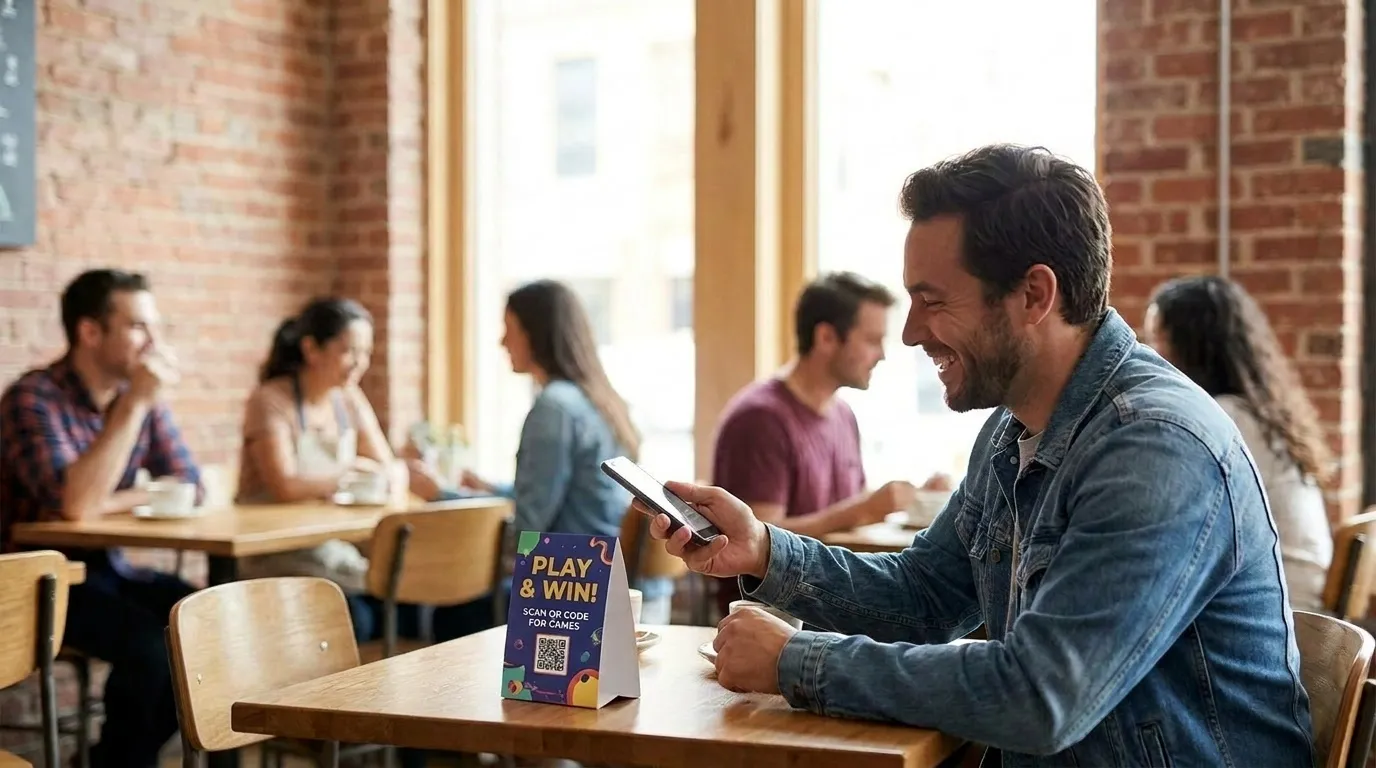
Gamification is not about building games. It is about turning everyday restaurant interactions into engaging experiences that reward participation and encourage repeat visits.
This approach works because it aligns with human psychology—people naturally respond to progress, rewards, and achievement.
When applied correctly, gamification makes customer engagement feel less like marketing and more like participation in a brand experience.
Gamification vs Traditional Marketing
| Channel | Cost | Ownership | Long-term Value |
|---|---|---|---|
| Meta Ads | High | No | Stops when ads stop |
| Google Ads | High | No | Pay-per-click dependency |
| Delivery Apps | Very High | No | Commission loss |
| Gamification | Low (compounding) | Yes | Long-term customer asset |
Why First-Party Data Is the Real Advantage
Every gamified interaction captures structured customer data that restaurants normally lose. This data becomes the foundation for personalization, loyalty, and repeat engagement strategies.
Identity
Email / Phone
Visit frequency
Over time, this data allows restaurants to shift from generic marketing to highly targeted customer engagement.
Business Impact for Restaurants
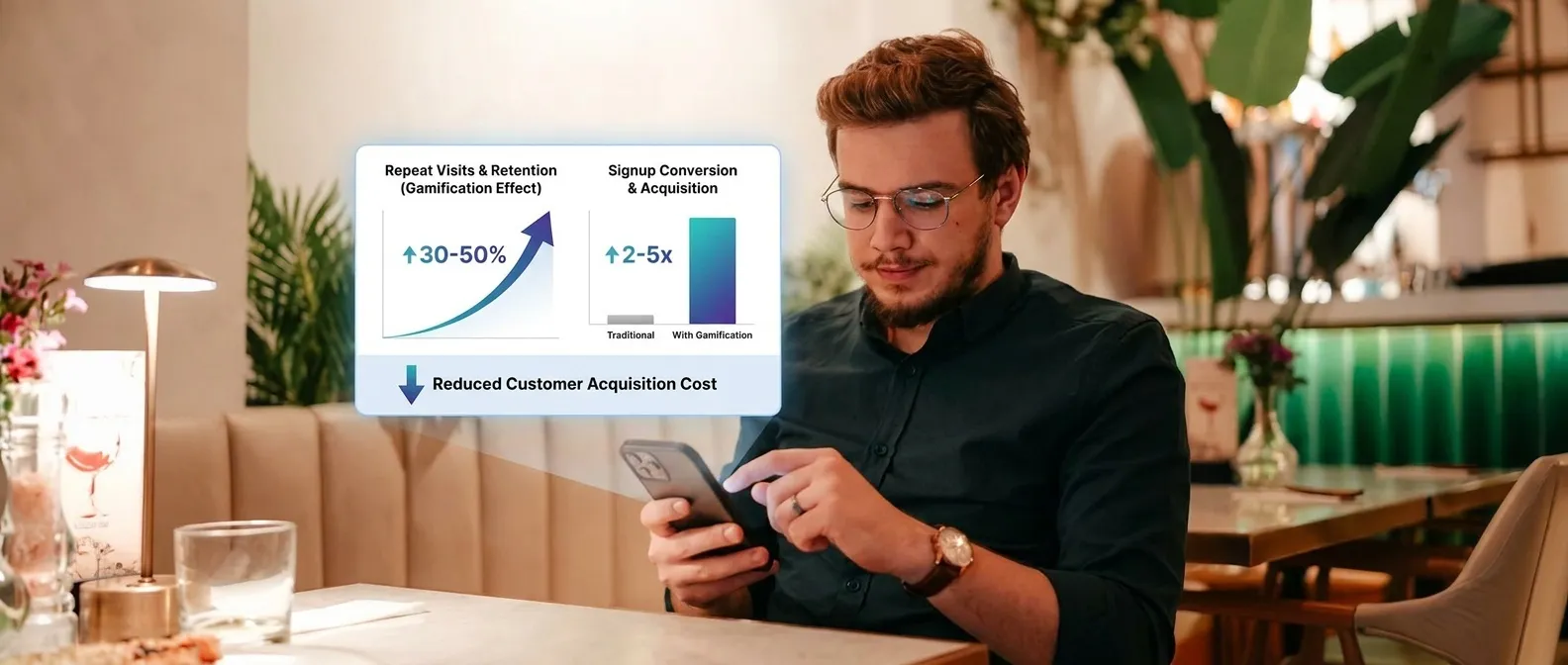
Gamification directly improves key restaurant performance metrics by increasing engagement and reducing dependency on paid acquisition.
Repeat visit increase
Signup conversion
Retention lift
As per the reports from HubSpot Customer Retention Study 2025, Digital Engagement Benchmarks 2025 and Deloitte CX Report 2025 respectively
The real impact is not just higher engagement—it is the reduction in long-term customer acquisition cost as more users return organically.
Final Thought
Gamification is not a campaign—it is a customer acquisition system that compounds over time. Restaurants that adopt it early build stronger customer relationships, lower acquisition costs, and long-term revenue ownership.
In a market where attention is expensive and customer loyalty is fragmented, gamification becomes a structural advantage rather than just a marketing tactic.