Introduction
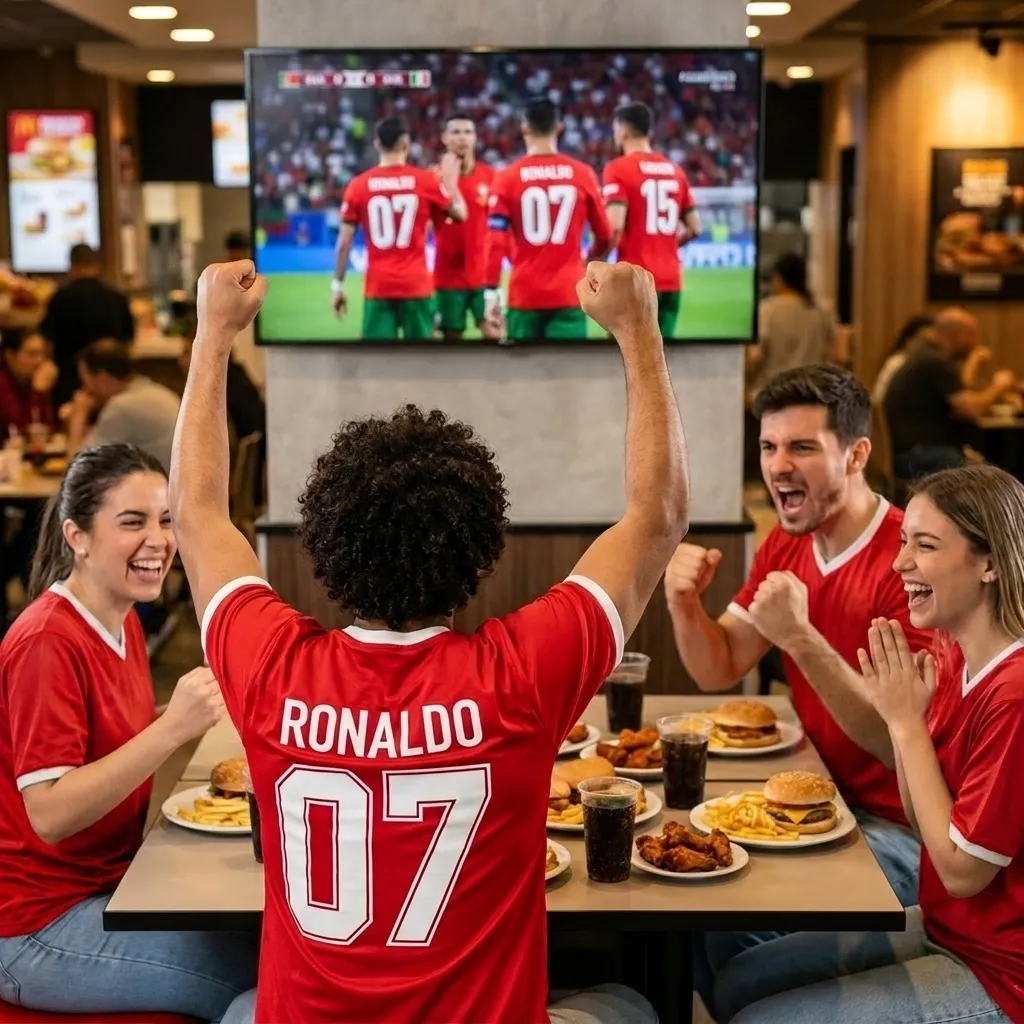
Most restaurants think a big match is just about filling tables for a few hours.
But every fan in the room is also a future customer. The excitement of the matches gives you a rare chance to collect contact details — emails, phone numbers, favorite teams — in a way that normal promotions never manage.
With a few simple, fun activities tied to match days, restaurants of every size can turn a short burst of attention into a customer list that drives growth for months.
A discount buys one sale. Customer data buys months of marketing.
Why The World Cup Is A Special Chance For Restaurants
For many restaurants, a match brings a short burst of business that disappears the moment the game ends.
A café might get a dozen extra customers during an afternoon game; a bar might fill every seat for the final. Most owners treat these days as a quick boost and miss the bigger opportunity sitting right in front of them.
Treat match day as a quick sales boost.
The crowd arrives, eats, and leaves — and the attention leaves with them.
Turn match day into a data moment.
They capture contact info while fans are excited, then market to them for months.
Here's why the FIFA World Cup 2026 is so valuable:
- Huge attention: millions follow the tournament closely, so a watch party or match-day special gives you a room full of engaged fans.
- Many matches over weeks: customers can come back again and again, giving you repeated chances to connect.
- Fans love to join in: even a small reward — a discount, a prize, a challenge — is enough to get people interacting beyond just buying food.
Step-By-Step Guide For Restaurants
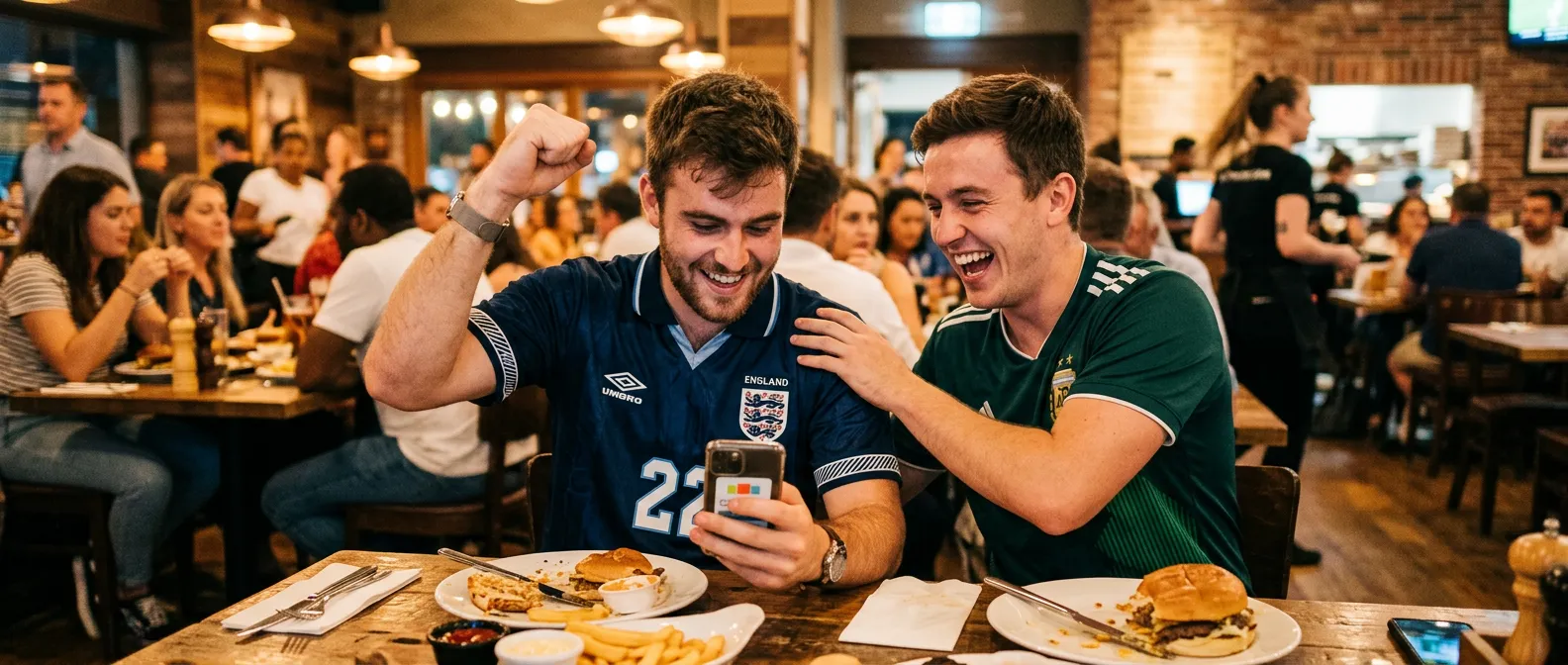
Plan Your FIFA Engagement
Define your goals, offers, and the data you want to collect.
Promote Before Kickoff
Build hype and inform customers about your FIFA activities.
Drive In-Restaurant Participation
Use simple entry points like QR codes, table tents, and staff invites.
Collect Customer Data
Capture names, emails, phones, birthdays, and preferences.
Engage & Reward Throughout
Run predictions, challenges, and contests across the tournament.
Nurture After the Final Whistle
Continue engaging customers with relevant offers and events.
Easy Ways To Collect Customer Info During FIFA 2026
You don't need fancy technology or expensive gamification platforms. Here are six simple game formats you can set up and run easily.
Penalty Shootout Challenge
Fans play a penalty shootout on their phones, trying to score virtual goals. Before they start, they enter a little info like their name and email.
- How to set it up: put QR codes on receipts, table cards, or posters that open the game.
- What you collect: email, name, and how often they play.
- The payoff: fans return on other match days to beat their score or win more rewards.
Spin-The-Wheel Rewards
Most customers already know how spin-the-wheel works, and you can tie it to a purchase. After someone orders, they spin to win a small prize or discount.
- How to set it up: make a digital wheel they open with a QR code or app.
- What you collect: phone number, email, and maybe their favorite team.
- The payoff: it feels fun, which makes people more likely to come back.
Match Prediction Leagues
Customers guess the scores of upcoming matches through a simple form that captures their contact info. A public leaderboard gets people sharing and competing.
- How to set it up: post results after each match and reward the top guessers weekly.
- What you collect: name, email, favorite team, and their guesses over time.
- The payoff: people come back to check results, staying engaged all tournament.
Daily Streak Challenges
Reward customers for coming back on multiple match days — small perks for the early matches, bigger rewards for the knockout games.
- How to set it up: track visits with simple digital check-ins tied to an email or phone.
- What you collect: how often they visit, contact info, and visit history.
- The payoff: coming back becomes a habit, so you collect info again and again.
Team Loyalty Battles
Customers join a team supporting a particular country, earning points for taking part, buying, or playing your gamified activities.
- How to set it up: show live leaderboards in the restaurant or on social media so people share.
- What you collect: name, email, chosen team, and how often they take part.
- The payoff: you collect info while building a fun sense of community.
Final Match Mega Campaign
During the semi-finals and final, run bigger campaigns with bigger rewards, using the contact info you already collected.
- How to set it up: combine all the earlier activities for the biggest turnout.
- What you collect: overall participation, repeat engagement, and confirmed contacts.
- The payoff: the most engagement and the most data during the moments fans care about most.
Why Customer Info Is Worth More Than Discounts
A discount can bring in a quick sale, but it rarely creates lasting value. The customer info you collect during the World Cup keeps working long after the tournament ends.
One sale, then it's gone
A discount may encourage an immediate purchase, but it rarely creates a lasting relationship or gives you a way to reconnect with that customer.
A long-term asset
An email address or phone number becomes a valuable marketing asset, enabling personalized campaigns, repeat visits, and stronger customer loyalty long after the tournament ends.
With the info you collect, you can:
- Send better follow-ups: message customers based on their favorite team or how they took part.
- Win back customers who drifted away: reach out to people who came once but haven't returned.
- Group customers by what they like: see which games appeal to which customers.
- Earn more from each customer over time: stay in touch with offers they actually care about.
Measuring Success
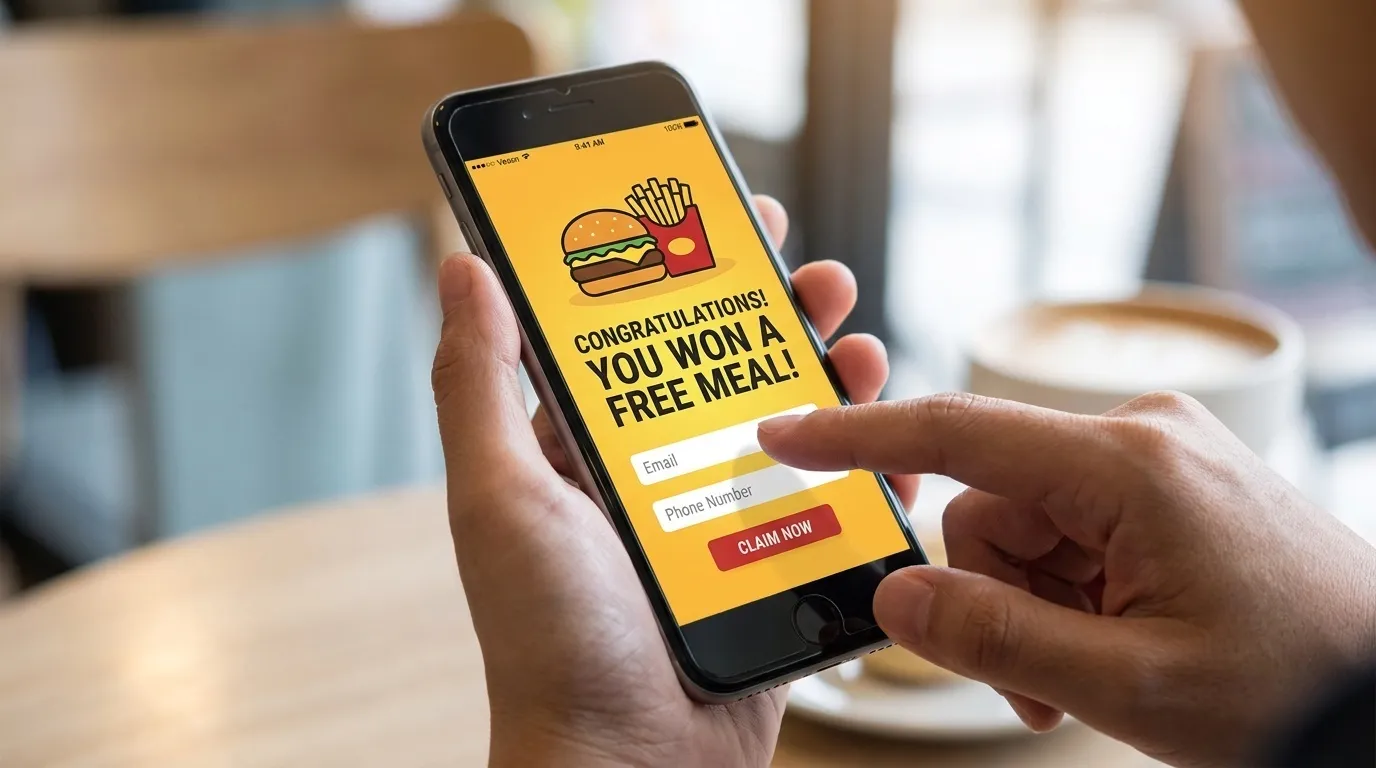
You don't need a complicated system to see if your campaign is working. Tracking a few simple numbers shows you what's working — no fancy dashboards required.
- How many contacts you collected (emails, phone numbers, customer details).
- How often customers came back on match days.
- How many people took part in prediction leagues, spin-the-wheel, or streak rewards.
- How many customers you reached after the tournament using the info you collected.
Common Mistakes To Avoid
Even simple campaigns can flop if you're not careful. Watch out for these:
- Sign-up forms that are too long and put people off.
- Games that are too complicated, so customers give up.
- No plan for using the info after the matches end.
- Forgetting offline customers — not everyone wants to play on a phone.
The Bottom Line
The FIFA World Cup 2026 is a rare chance to collect customer info while fans are excited and paying attention. A few simple, fun activities tied to the matches let you gather emails, phone numbers, favorite teams, and visit habits.
Restaurants that only run one-time promotions will miss this chance. The ones that run clear, easy World Cup activities will leave the tournament with more than strong match-day sales — they'll have a real customer list that drives growth for years to come.
Frequently Asked Questions
What is gamification for restaurants?
Gamification means adding small, game-like activities—such as challenges, prizes, leaderboards, and spin-the-wheel experiences—to the customer journey, encouraging guests to interact with your restaurant beyond simply placing an order.
How does the FIFA World Cup help restaurants collect customer data?
The FIFA World Cup creates weeks of excitement and repeat visits, making customers much more willing to share their contact details in exchange for participating in engaging games, predictions, or rewards.
What customer data can restaurants collect during the tournament?
Restaurants can collect valuable first-party data such as customer names, email addresses, phone numbers, favorite teams, visit frequency, and participation history to support future marketing campaigns.
Do I need special technology to run these campaigns?
No. Simple QR codes, digital forms, prediction games, or a spin-the-wheel experience are enough to get started. You don't need an expensive gamification platform to create engaging campaigns.
Why is first-party data better than discounts?
Discounts usually generate a single purchase, while first-party customer data enables you to build long-term relationships through personalized offers, loyalty campaigns, and repeat engagement long after the tournament ends.
How do I measure if my World Cup campaign worked?
Track key metrics such as the number of contacts collected, repeat visits during match days, participation across each game, and the engagement or conversions generated from your follow-up campaigns.
What mistakes should I avoid?
Avoid lengthy registration forms, overly complicated games, failing to follow up with collected customer data, and excluding customers who prefer offline participation.