Introduction
Not every restaurant operates with constant high footfall. Some rely on dine-in traffic, others on takeout, delivery apps, drive-thru, or even occasional peak-hour demand. But across all models, the same challenge exists: most customers interact once and never become part of an owned audience. No contact details are captured. No behavioral history is stored. No structured way to re-engage them later. This is where gamification changes the model.
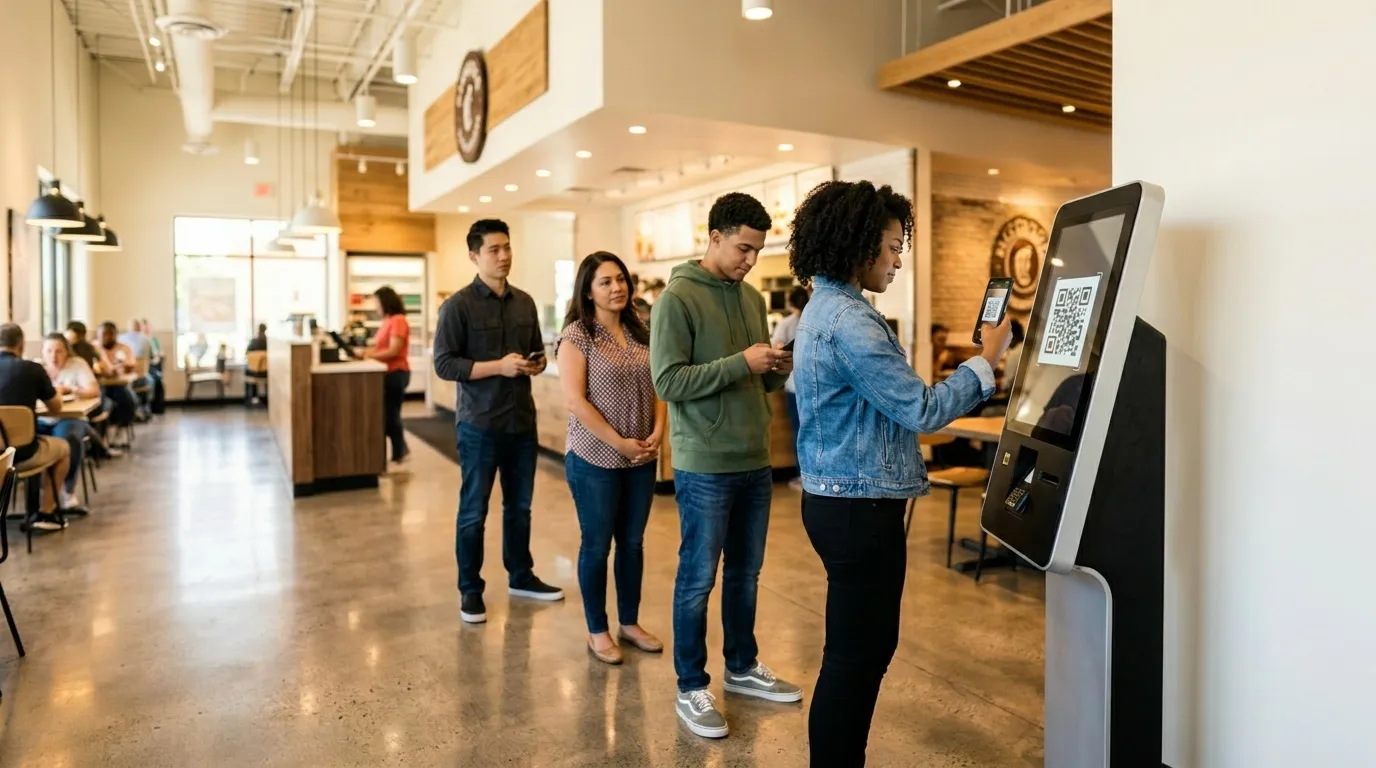
Gamification integrates interactive, reward-driven mechanics into existing customer touchpoints to make every engagement more valuable and measurable. Instead of relying on volume, it focuses on conversion of attention into data and repeat behavior, helping restaurants:
- Capture first-party customer data
- Drive repeat visits and orders
- Increase average order value
- Improve customer lifetime value (CLV)
Studies show restaurants that implement gamification can increase engagement by 150%, see 2–3x higher CRM signups, and boost retention by up to 47% compared to static promotions.
Potential engagement increase when restaurants use gamified customer experiences.
Higher CRM signups compared to standard static sign-up forms.
Higher engagement possible for businesses implementing gamified campaigns.
Games vs Gamification
A common mistake is assuming restaurant gamification means building a full game. For most restaurants, the bigger opportunity is not entertainment alone. It is using game-like mechanics to influence a measurable customer action.
Games
Games are standalone products. Customers play for fun and entertainment. Examples include Tetris, Candy Crush, or a short web-based burger game. The business benefits indirectly through engagement.
Gamification
Gamification adds game mechanics to existing interactions to influence customer behavior. Examples include spin-the-wheel promotions, scratch cards, loyalty points, achievement badges, and referral rewards.
Ready to Grow?
Businesses implementing gamified campaigns see up to 7x higher engagement compared to non-gamified experiences.
Why Gamification Works in Restaurants
Restaurants already have frequent customer touchpoints: dine-in visits, online ordering, delivery, loyalty programs, birthdays, events, QR menus, and match-day traffic. Gamification gives those touchpoints a reason to continue.
| Psychological Trigger | How It Works | Restaurant Impact |
|---|---|---|
| Dopamine & Reward Loops | Customers anticipate rewards and engage more frequently with interactive experiences. | Higher participation in spin wheels, scratch cards, and promotional campaigns. |
| Progress & Streak Motivation | People are motivated to maintain progress and avoid losing streaks. | 35–40% more repeat orders when streak-based mechanics are implemented. |
| Recognition & Social Proof | Customers enjoy recognition and sharing achievements with others. | Increased referrals, social sharing, and community engagement. |
| Immediate Gratification | Instant rewards create stronger motivation than delayed incentives. | Faster campaign participation and higher redemption rates. |
| Data Capture & Insights | Every interaction creates valuable behavioral data. | Improved CRM segmentation, personalization, and customer retention campaigns. |
Gamification works because it combines psychology, rewards, and customer data to create repeatable engagement loops that benefit both customers and restaurants.
How Gamification Solves Restaurant Pain Points
Restaurant growth depends on more than a busy day. A smart campaign should help the business identify who visited, what they liked, how often they return, and what offer or experience can bring them back again.
Capture Customer Data
Capture name, email, phone number, visit frequency, favorite items, and engagement behavior. Restaurants that gamify capture 2–3x more CRM entries than traditional sign-up forms.
Drive Loyalty
Customers maintain streaks, earn points, and achieve rewards, creating emotional investment and stronger brand loyalty.
Boost Average Order Value
Gamified experiences encourage customers to spend more naturally and try additional items or upsells.
Encourage Social Sharing
Referral challenges and leaderboard rankings drive organic marketing. One campaign can generate hundreds of shares without extra ad spend.
Common Gamification Mechanics for Restaurants
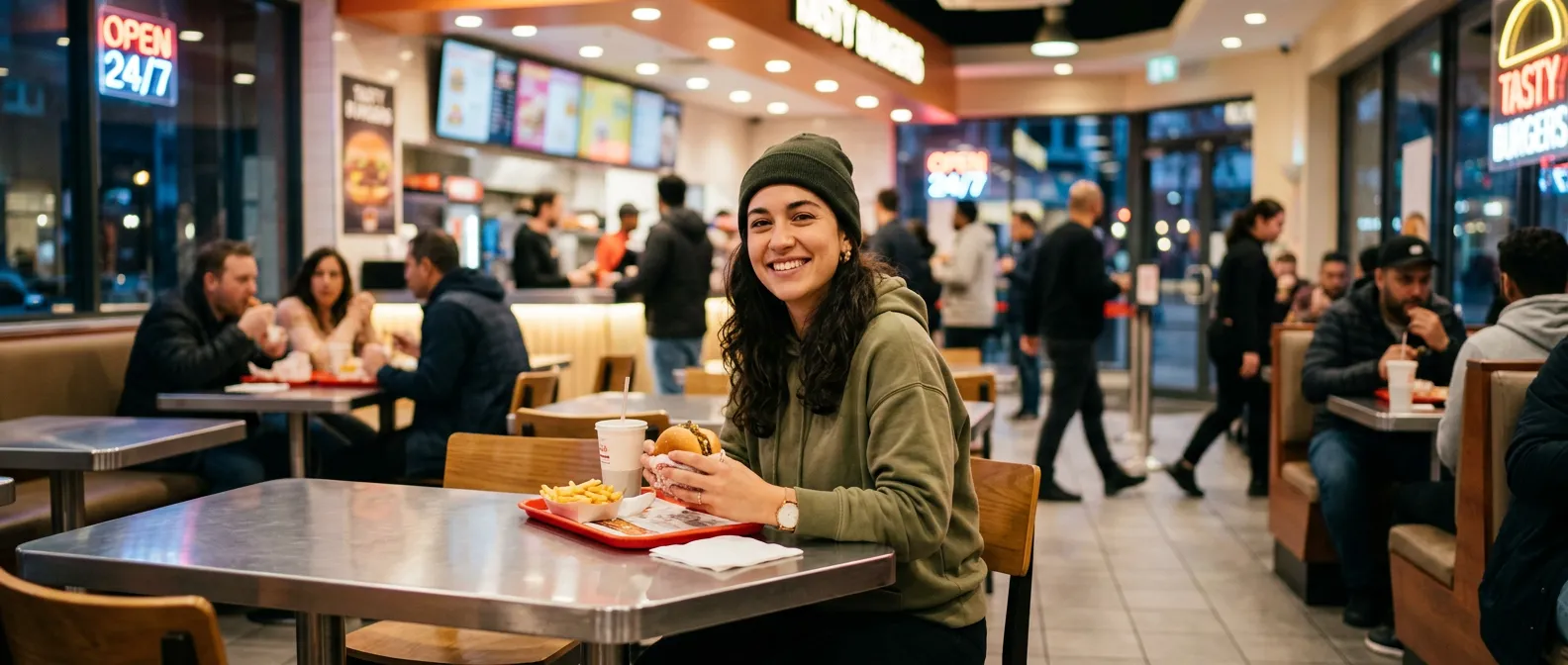
Restaurants can use different gamification mechanics depending on the goal. Some mechanics are designed for excitement, others for loyalty, repeat visits, social sharing, or customer data capture.
| Mechanic | Purpose | Example Use |
|---|---|---|
| Chance-based | Creates excitement | Spin-the-wheel, prize draws |
| Reward-based | Retention | Loyalty points, scratch cards, achievement badges |
| Progress-based | Completion motivation | Tier levels, progress bars, milestones |
| Streak-based | Habit formation | Daily check-ins, weekly visits |
| Competition-based | Engagement | Leaderboards, contests |
| Collection-based | Repeat visits | Menu badges, stamp collection |
Restaurants combining 2–3 mechanics report +150% engagement, +28% sales uplift, and +47% retention increase.
How Restaurants Can Gamify Major Sports Events
FIFA World Cup 2026 is a timely example of how major sports events can drive short-term restaurant traffic. But the same gamification strategy applies to playoffs, Super Bowl, March Madness, cricket tournaments, local sports finals, concerts, and seasonal events. Gamification allows restaurants to:
Interactive experiences, even simple prediction challenges or reward unlocks, help restaurants capitalize on the emotional engagement of crowds during high-intensity sports tournaments.
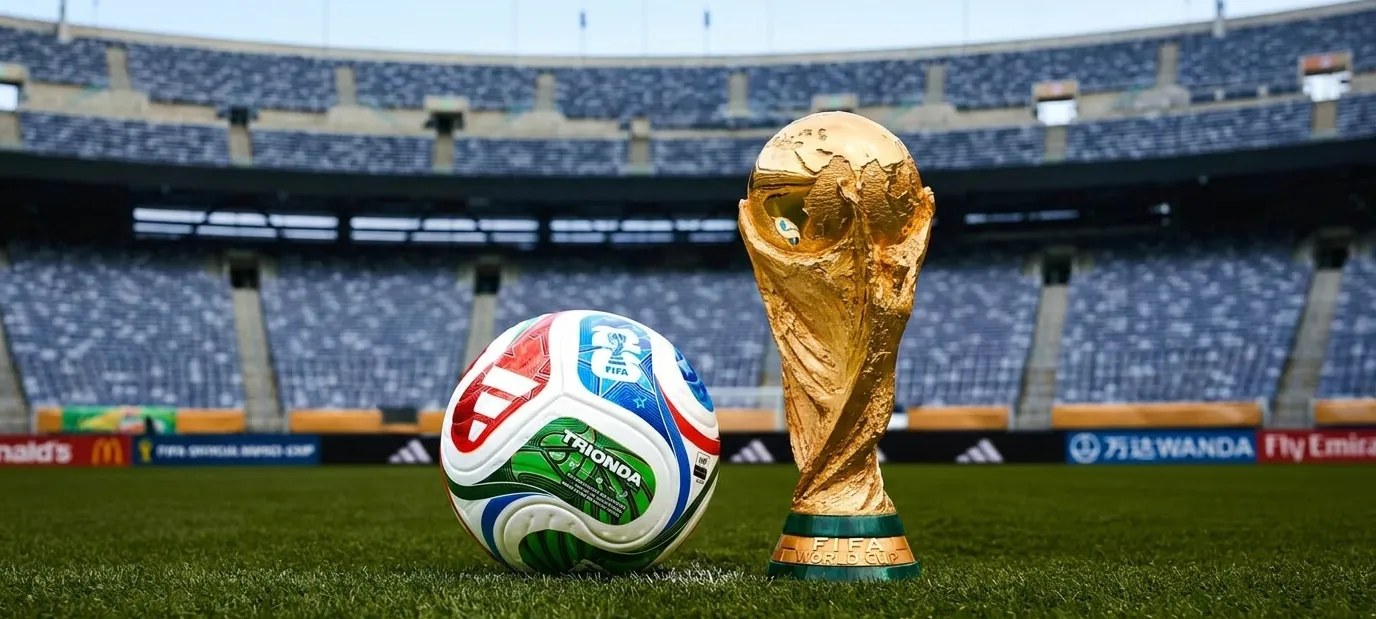
The World Cup provides attention; gamification captures it as actionable, long-term revenue.
Conclusion
Gamification in the restaurant industry is a proven method to capture first-party customer data, increase repeat visits and loyalty, boost average order value, and leverage major events for sustained engagement.
Restaurants that embrace gamification are not just surviving high-traffic events. They are turning temporary attention into long-term revenue engines.
- Capture first-party customer data
- Increase repeat visits and loyalty
- Boost average order value
- Leverage major events for sustained engagement
Ready to Grow?
Tell us your locations, current channels, and growth goals so we can identify the highest-impact gamification, CRM, and loyalty opportunities for your restaurant.
Gamification FAQs
What is restaurant gamification?
Restaurant gamification uses game-like mechanics such as rewards, points, challenges, and achievements to influence customer behavior and increase engagement.
How does gamification increase loyalty?
It encourages repeat behavior through rewards, streaks, milestones, and personalized incentives.
Can gamification help collect customer data?
Yes. Gamified experiences significantly increase CRM signups and first-party data collection.
What events work best for gamified campaigns?
Major events such as FIFA World Cup 2026, sports tournaments, product launches, seasonal promotions, and restaurant anniversaries.