The Customer May Be Ordering From You, But Through Someone Else
Let's look at what happens when someone orders from your restaurant through a third-party delivery marketplace. The customer opens the app, searches for food, compares several restaurants, looks at menus and reviews, chooses your restaurant, and places an order. From your perspective, that looks like a successful sale, and it is. But there is another part of the transaction that is easy to overlook.
From the customer's perspective, almost the entire experience happened inside the delivery platform. They searched there, discovered you there, compared you with competitors there, paid there, received updates there, and may return to the same app the next time they are hungry. The customer may have bought food from your restaurant, but the platform may still be the place they associate with the experience.
That distinction matters because a sale and a customer relationship are not the same thing. Delivery apps can help you complete the first transaction. Your restaurant needs its own digital presence to help build the relationship that comes after it.
Delivery apps can help complete the first transaction. Your restaurant needs its own digital presence to help build the relationship that comes after it.
Delivery Apps Are Useful. Dependence on Them Is the Problem.
Let's be clear: third-party delivery apps are not automatically bad for restaurants. They can help a new restaurant get discovered, put your food in front of people who have never heard of you, and give customers a convenient way to order. For many restaurants, they are an important source of sales.
The problem begins when the delivery platform becomes the only reliable way customers can discover and order from you. If customers do not know your website, do not know how to order directly, and have no other reason to interact with your brand, you are constantly relying on the marketplace to bring them back.
That can become expensive, but the bigger issue is strategic. Your restaurant's growth becomes dependent on someone else's platform. A healthier approach is to use delivery apps for discovery and reach while building your own digital relationship alongside them.
You Are Competing for Attention Inside Someone Else's Marketplace
When someone opens a delivery app, your restaurant is surrounded by competitors. The customer may see a cheaper restaurant, a restaurant offering free delivery, a business running a discount, a restaurant with more reviews, or somewhere they have ordered from before.
Suddenly, the customer is not simply deciding whether they want your food. They are shopping inside a marketplace where several businesses are presented side by side. Marketplaces naturally encourage comparison, and comparison makes it harder to build preference.
You want customers to think, "I want food from this restaurant." The marketplace can instead encourage them to think, "What should I order tonight?" Those may sound similar, but they represent very different relationships with the customer.
Your Restaurant Becomes One Option Among Many
This is one of the biggest problems with relying too heavily on third-party delivery platforms. Your brand can become less important than the category you compete in.
Imagine a customer searches for burgers and sees ten restaurants. They are not necessarily looking for your restaurant. They are looking for a burger. That means your business can end up competing on price, delivery fee, delivery time, discounts, ratings, photos and convenience rather than on the reasons that make your restaurant worth choosing.
Some of those factors matter, of course. But they do not necessarily create loyalty. A customer who chooses you because you were a few dollars cheaper today can choose someone else tomorrow because that restaurant is cheaper. That is comparison, not preference.
Your Restaurant Brand Gets Lost
Your restaurant has a story. You have a particular atmosphere, your own food, people behind the business, and a reason customers should choose you. A delivery marketplace can reduce much of that to a listing: a name, a logo, a few photographs, a menu, a price, a rating and an ordering button.
That may be enough to generate an order, but it is not enough to communicate everything that makes your restaurant memorable.
Your brand is what makes customers remember you when they are not currently looking at a delivery app. If you want customers to choose your restaurant because they know and prefer you, rather than because your listing happened to be convenient, you need places where your brand can exist outside the marketplace.
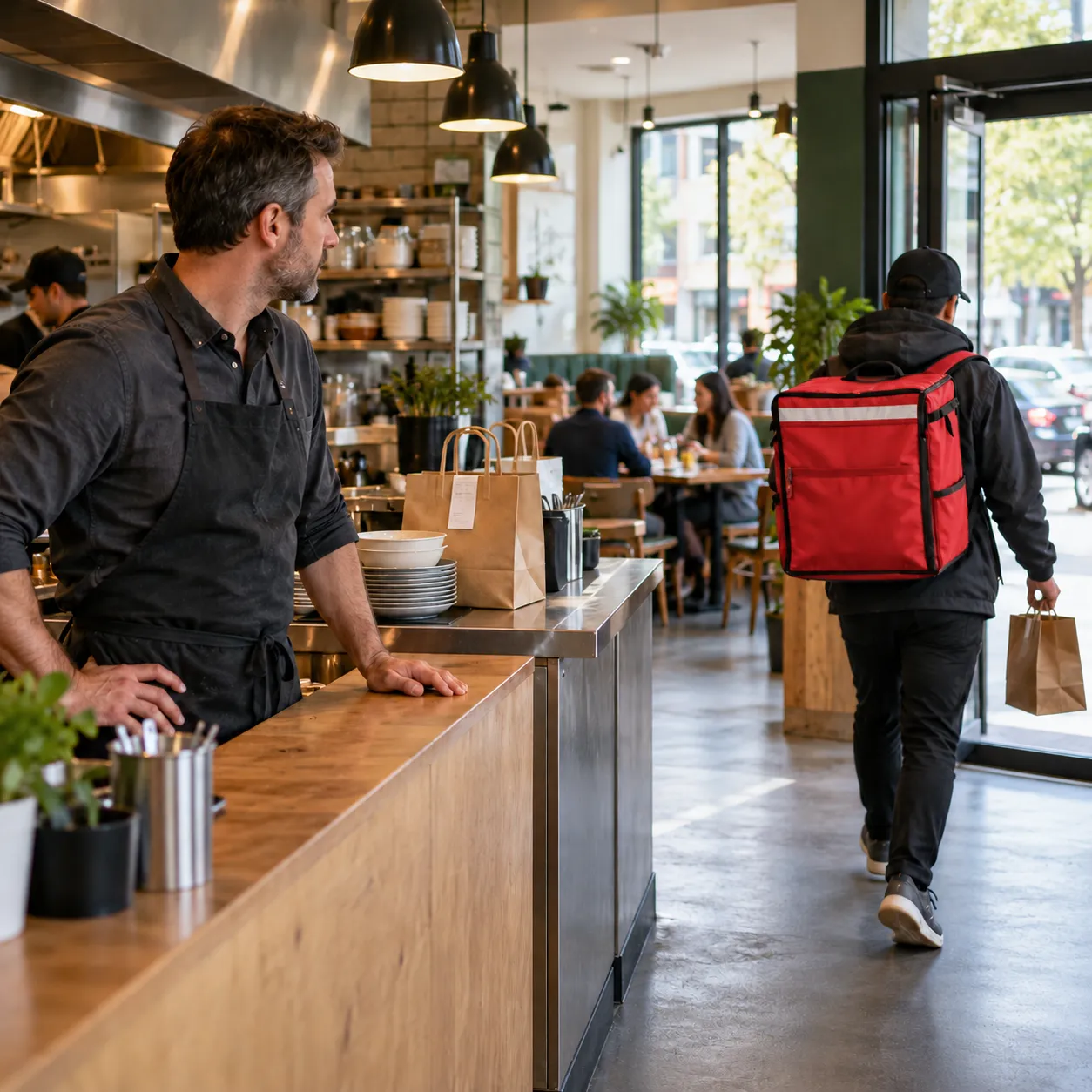
Your Website Gives Customers Somewhere to Find You Directly
This is where your restaurant website becomes important. Your website should not exist simply because someone told you that every restaurant needs one. It should give customers a place to interact directly with your restaurant.
A useful restaurant website can bring together your menu, food photography, location, hours, story, ordering options, loyalty program and promotions. More importantly, it gives customers a place to return to after they have discovered your restaurant somewhere else.
Instead of sending every customer back into someone else's marketplace, you have a digital home you control. A customer can discover your restaurant through Google, social media or a delivery platform, learn more about you on your website, and eventually become comfortable ordering directly.
Build a digital home for your restaurant
Give customers a branded place to discover your food, learn about your restaurant and order directly from you.
Direct Online Ordering Changes the Relationship
Imagine a customer discovers your restaurant through a delivery app and places an order. The food is great, and a week later they want the same meal again. If they only know you through the app, they may simply open the app and search for you again.
Now imagine that the same customer also knows your restaurant website. They can go directly to your restaurant, see your brand, explore the menu, discover current offers and place an order. The relationship is different because the customer is no longer simply buying food from a marketplace. They are interacting with your restaurant.
That is why direct online ordering for restaurants is more than another way to take orders. It can become part of a strategy for building a direct customer relationship and reducing dependence on third-party ordering platforms.
Give customers a direct way to order from you
Make direct ordering simple, branded and connected to the restaurant experience you control.
Don't Make Direct Ordering Harder Than Using an App
There is an important catch. A restaurant cannot simply launch a direct ordering page and expect customers to change their habits. If your ordering button is difficult to find, your menu is confusing, the website is awkward on a phone, or the checkout takes too many steps, customers will naturally return to the app that feels easier.
Customers choose convenience. If ordering through the delivery app is easier than ordering directly from you, there is very little reason for them to change their behaviour.
Your direct ordering experience therefore needs to be simple, fast, mobile-friendly and familiar. Do not ask customers to work harder just because you want them to order directly.
Your Restaurant Should Be Easy to Find Without the Delivery App
This is where restaurant SEO and local search become important. Customers do not only discover restaurants inside delivery marketplaces. They also search Google for things like "pizza near me," "best Indian restaurant in Toronto," "Chinese food near me," or "restaurants open now."
If the only place customers can reliably find you is inside a delivery app, you are giving that platform too much control over discovery. Your restaurant should have a strong presence across Google, Google Maps, your website, social media and other relevant online platforms.
The goal is not to disappear from delivery marketplaces. It is to make sure they are not the only place customers can discover you.
Google Can Send Customers Directly to You
Consider two customer journeys. In the first, a customer searches Google, clicks a delivery app, and then finds your restaurant. In the second, the customer searches Google, finds your restaurant website, learns about your food and places a direct order.
In the first journey, the delivery app owns much of the customer experience. In the second, your restaurant has much more control over the journey.
This is why local SEO for restaurants can be so valuable. When customers search for your cuisine, your location or your restaurant by name, you want more than visibility. You want a clear path from discovery to your own digital presence.
Your Google Business Profile, restaurant website, reviews, photographs, menu and location information all contribute to that experience. Together, they can make your restaurant easier to discover without requiring the customer to begin and end their journey inside a delivery marketplace.
Your Reviews Should Build Your Restaurant's Reputation
Delivery apps have their own review systems, but your restaurant should also build a strong reputation beyond them. Google reviews are particularly valuable because they can appear when someone is searching for your restaurant or for restaurants like yours.
A potential customer may see your rating, photographs, location, website and reviews before they ever visit your ordering page. Those signals can create the confidence someone needs to choose your restaurant directly.
Your goal should be to make your restaurant's reputation bigger than any single delivery platform. Genuine customer feedback, consistent service and a strong overall experience help create that independent reputation over time.
The Customer You Already Have Is More Valuable Than You Think
If someone has already ordered from you, you do not have to convince them that your food exists. They have already tried it, made a purchase and had an experience with your restaurant.
That customer may be much easier to bring back than someone who has never heard of you. This is why restaurant customer retention deserves a place in your marketing strategy.
Instead of constantly paying to acquire another customer, you can also work on getting existing customers to return. Loyalty, customer marketing, direct ordering and relevant communication all become more powerful when the customer already knows and trusts your restaurant.
Your Customer List Can Become a Growth Asset
One of the biggest advantages of building direct relationships is that your restaurant can build a useful customer base over time, with appropriate permissions. Instead of every customer disappearing into a third-party platform after the order, direct channels can help you maintain a longer-term relationship.
Depending on the tools you use and the permissions customers provide, you can communicate about new menu items, seasonal dishes, special events, loyalty rewards, catering, holiday ordering, restaurant news and relevant promotions.
The important word is relevant. You do not want to spam customers. You want to give people who already know your restaurant a useful reason to think about you again.
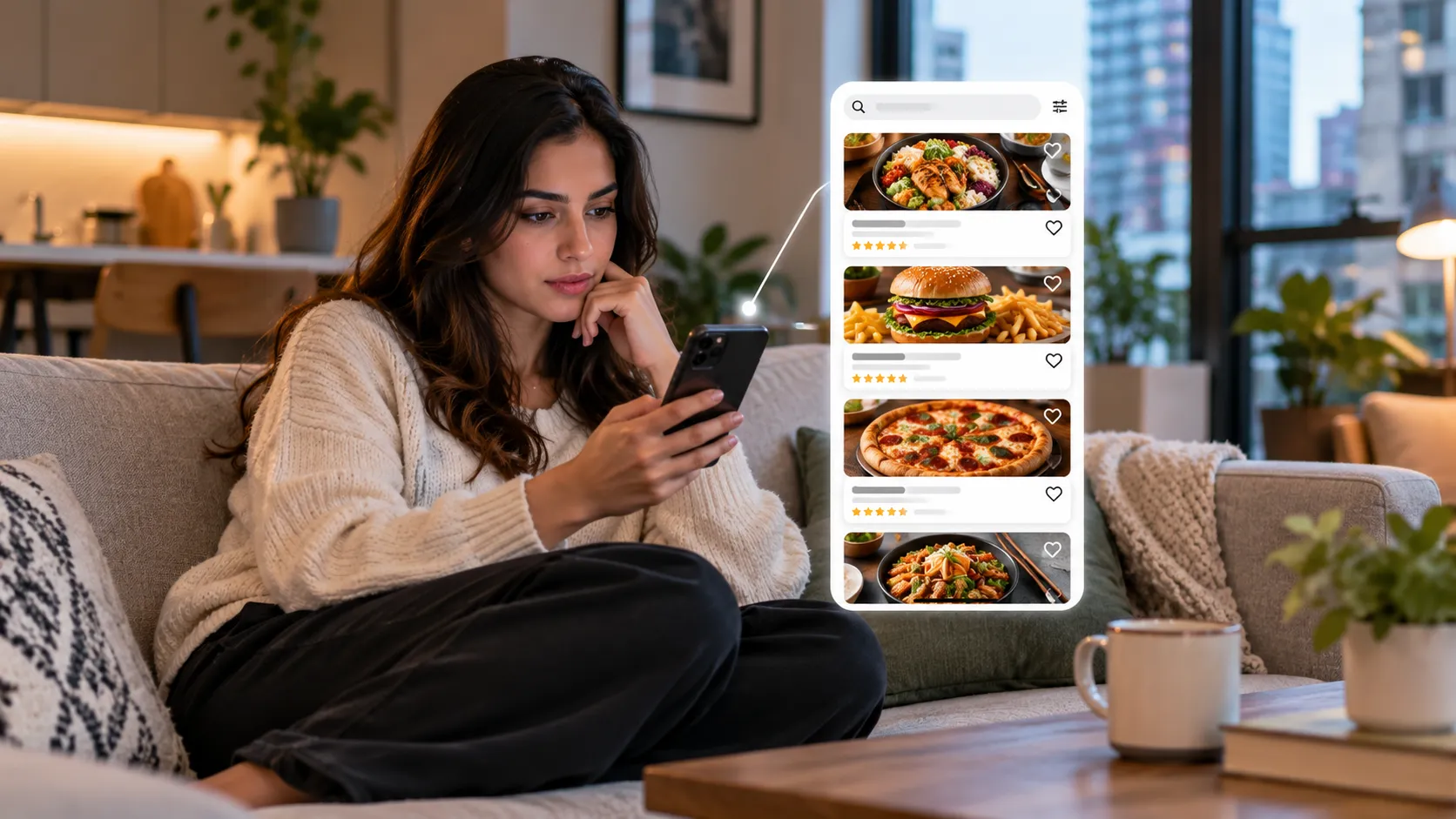
Loyalty Works Better When It Belongs to Your Restaurant
Consider where the customer mentally places a reward. If they earn rewards inside a delivery app, the platform can become part of the loyalty experience. When the customer earns rewards directly from your restaurant, the connection is different. The reward becomes another reason to return to your restaurant.
A restaurant loyalty program should help create that relationship. It can give customers reasons to return without forcing you to rely on discounts every time. More importantly, it makes repeat business part of your own restaurant ecosystem rather than something controlled entirely by a marketplace.
Turn first-time orders into repeat business
Build loyalty and customer relationships around your own restaurant instead of leaving the entire repeat-order journey to a marketplace.
Don't Compete With Delivery Apps Only on Price
If your entire strategy is to tell customers that ordering directly is cheaper than using an app, you are fighting the wrong battle. Price can be a useful reason to switch, but it is not the only reason customers choose a restaurant.
Customers care about convenience, trust, food quality, experience, speed, rewards, familiarity, brand and service. If you can create a better overall direct experience, you do not have to win by being the cheapest option. You can win by becoming the restaurant they prefer.
Give Customers a Reason to Order Directly
Simply telling customers "Order direct" is not enough. Give them a reason to do it.
That reason might be a loyalty program, exclusive menu items, easier repeat ordering, restaurant-specific offers, better communication, a stronger branded experience, convenient pickup or special customer rewards.
The message should not feel like "Don't use that app." A stronger message is, "Here's why ordering directly from us is better for you." That puts the customer benefit at the center of the conversation.
Your Packaging Can Help Move Customers Direct
Your restaurant has a physical connection with every delivery customer. The food arrives at their home, the bag is in their hands and the meal is on their table. That moment is an opportunity to remind them who actually made their food.
Your packaging can reinforce your restaurant name, website, direct ordering information, loyalty program and social presence. The objective is simple: when the customer finishes the meal, they should remember the restaurant, not just the app that delivered it.
Your Staff Can Help Build the Relationship Too
The same principle applies to customers who visit your restaurant. If someone enjoys the food, your team can make sure they know about your direct ordering options or loyalty program. It does not need to become a hard sales pitch. A simple reminder that customers can order directly from the restaurant can be enough.
Every customer interaction is an opportunity to strengthen the relationship between the customer and the restaurant. The more consistently that relationship is reinforced, the less dependent the customer becomes on a third-party platform simply because it is the place where they first discovered you.
Delivery Apps Should Be Part of Your Strategy, Not Your Entire Strategy
The balanced approach is not to abandon delivery platforms. Use them when they help you reach customers, especially people who do not know your restaurant yet. But once customers know you, give them another path.
A useful restaurant growth strategy can give each channel a different role:
- Delivery apps → Discovery and reach
- Google → Local discovery
- Social media → Awareness and familiarity
- Restaurant website → Trust and information
- Direct ordering → Conversion
- Loyalty → Retention
- Customer marketing → Repeat business
When every channel has a job, your restaurant becomes less dependent on one platform to do everything. The delivery marketplace can remain a valuable acquisition channel while your own website, ordering system and customer marketing build the relationship that comes after discovery.
How to Reduce Your Dependence on Delivery Apps
You do not need to change everything overnight. Start with the foundations that make direct relationships possible.
- Build a strong restaurant website: Make your website the central home for your brand, menu, location and ordering.
- Offer direct online ordering: Give customers a simple alternative to third-party delivery apps.
- Improve your Google presence: Make sure customers can discover your restaurant directly through Google and Google Maps.
- Build your restaurant brand: Make your website, social media, packaging and restaurant experience feel connected.
- Start a loyalty program: Give customers a reason to return directly to you.
- Build customer relationships: With the right permissions, stay connected through email and other customer marketing channels.
- Give customers a reason to order direct: Make direct ordering useful, not simply cheaper.
- Use delivery apps for discovery: Do not abandon a channel that brings you customers. Use it strategically.
- Track where your orders come from: Understand how much of your business depends on third-party platforms versus your own channels.
- Keep improving the direct experience: The easier your website and ordering experience become, the more likely customers are to use them.
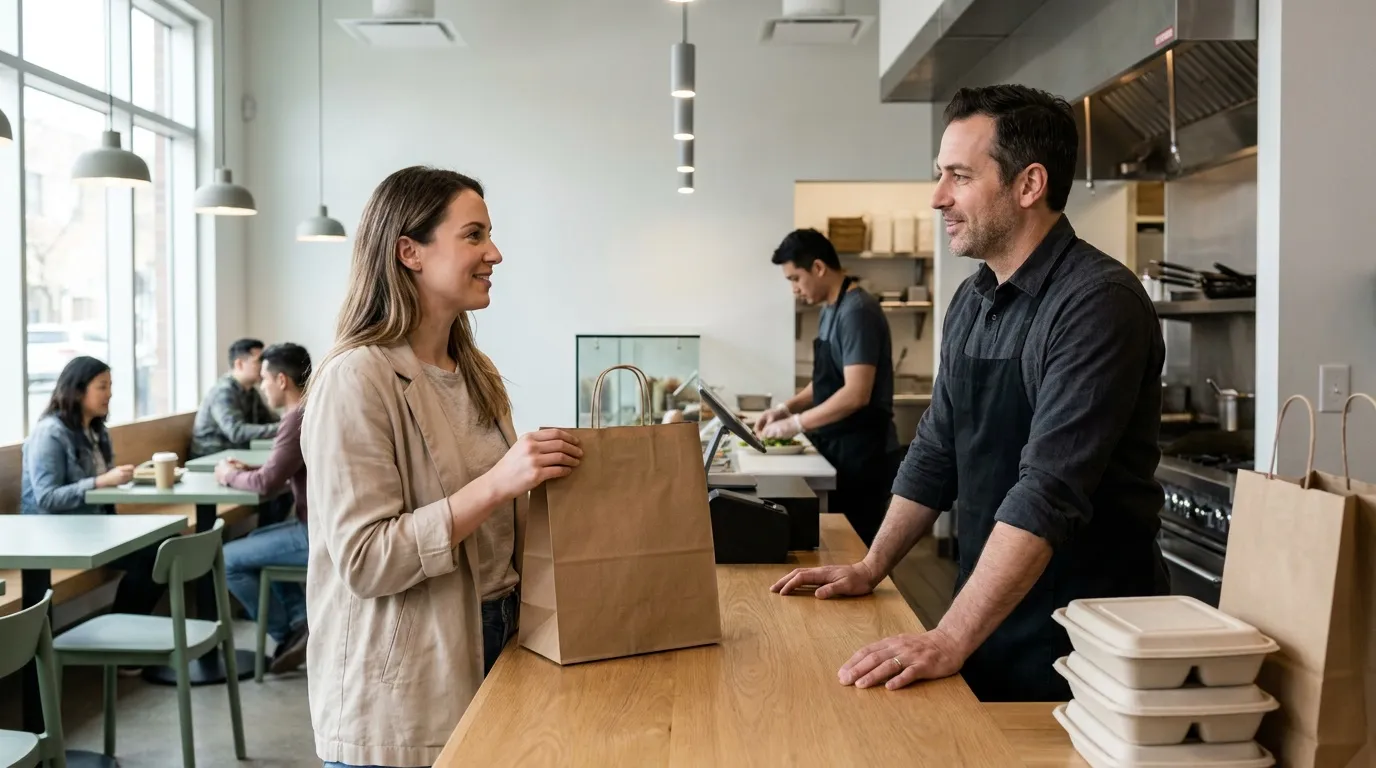
The Goal Isn't to Get Rid of Delivery Apps
This is important. You do not have to choose between delivery apps and your restaurant. You can have both.
The difference is who owns the long-term relationship. Delivery apps can help you find customers. Your restaurant should give those customers a reason to stay connected to you.
That is the balance. A delivery marketplace can be one part of your acquisition strategy without becoming the entire customer journey.
Your Next Customer Should Not Always Have to Come Through Someone Else
Restaurant growth becomes difficult when every new customer has to come through a third party. You pay to reach them, the platform introduces them to you, the customer orders, and then the relationship can disappear. The next time, you may have to start the acquisition process all over again.
A stronger model looks different. A customer discovers you, orders, enjoys the experience, remembers your brand, connects with your restaurant, orders directly, joins your loyalty program, comes back and eventually recommends you.
Now the value of that customer can grow over time. That is how you build long-term restaurant growth rather than simply chasing the next order.
Your Restaurant Should Own More of the Customer Journey
Delivery apps are not necessarily your enemy. Dependence is.
You do not need to fight the platforms. You need to make sure your restaurant has its own digital foundation: your own website, your own brand, your own direct ordering channel, your own customer relationships, your own loyalty program and your own reputation.
Because the ultimate question is not simply, "How many orders did we get today?" It is, "How many people are choosing our restaurant again and again?" That is the difference between renting access to customers and building a customer base.
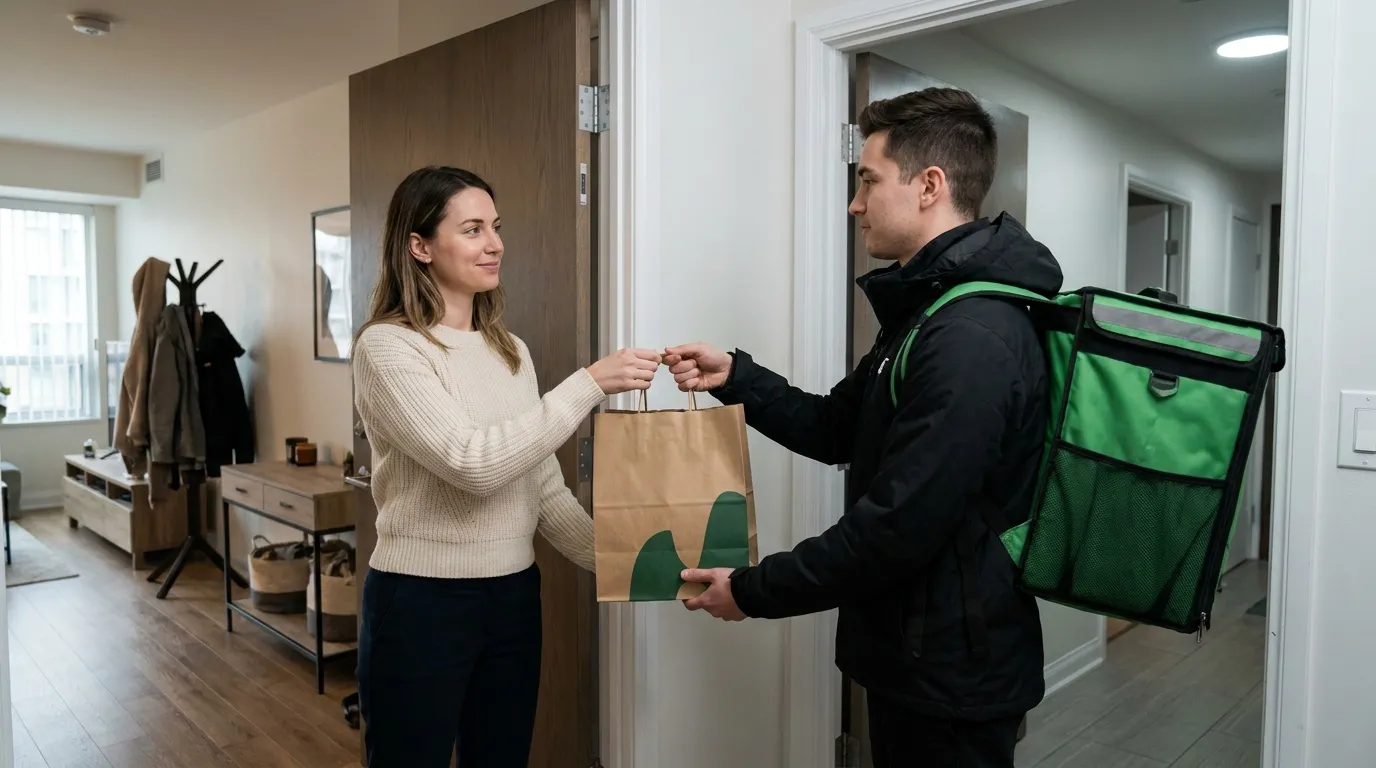
The Delivery App Should Introduce You. Your Restaurant Should Make Them Stay.
A customer may discover you through a delivery app. That is okay. They may place their first order there. That is okay too.
But your job is to make that first order the beginning of a relationship, not the end of one.
Give them a great experience. Make your brand memorable. Make your website easy to find. Make direct ordering simple. Give them reasons to return. Build loyalty. Stay connected. And gradually, give customers more opportunities to choose your restaurant directly.
Because the strongest restaurants are not just good at getting orders. They are good at building customers.
Build More Direct Customer Relationships
tossdown helps restaurants build a stronger digital presence with branded websites, direct online ordering, loyalty and customer marketing tools designed to help restaurants grow beyond third-party platforms.